
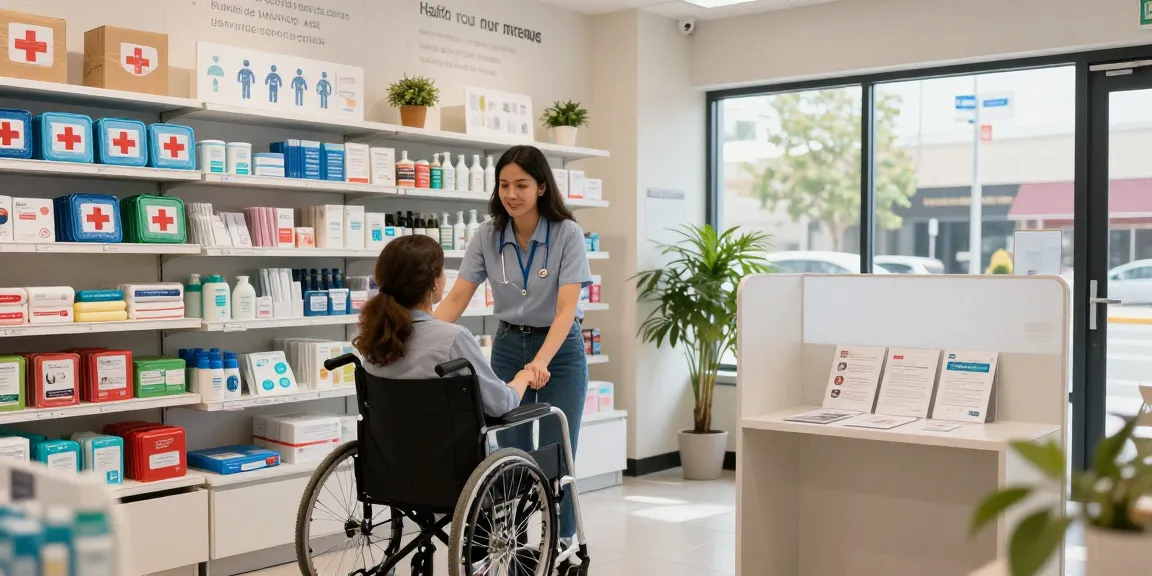
Understanding the Evolving Landscape of Medical Supply Stores
The medical supply industry has witnessed significant changes in recent years, driven by technological advancements, an aging population, and evolving consumer preferences. As we approach 2026, it’s crucial for both consumers and suppliers to understand these dynamics. Consumers are increasingly looking for accessibility, variety, and quality in medical equipment, while retailers must adapt to these demands to remain competitive. A well-structured medical supply store not only meets the needs of its clientele but also embraces innovation to enhance the shopping experience.
Current Trends in Medical Supply Retail
One of the most noticeable trends in the medical supply sector is the gradual shift from traditional brick-and-mortar stores to online platforms. This change provides consumers with the ability to shop from the comfort of their homes, compare prices, and read reviews before making a purchase. Consequently, medical supply stores are now prioritizing e-commerce capabilities, offering a seamless online experience that includes detailed product descriptions, instructional videos, and customer support via chat or phone.
- Telehealth Integration: The rise of telemedicine has also influenced consumer behavior. Medical supply stores are increasingly offering products that facilitate remote health monitoring and consultation.
- Focus on User-Friendly Products: There is a significant demand for equipment that is easy to use, particularly among elderly consumers who may not be technologically savvy.
- sustainability Practices: Environmentally-friendly products and packaging are gaining traction, appealing to consumers’ desire for sustainable options.
The Impact of Technology on Shopping Experience
Technology has transformed the shopping experience in the medical supply industry. High-quality images, virtual reality (VR) showrooms, and augmented reality (AR) applications allow consumers to visualize products in real-life scenarios. Moreover, artificial intelligence (AI) and machine learning are being integrated into e-commerce platforms, providing personalized shopping experiences by recommending products based on past purchases and browsing behavior.
Innovative Products Transforming the Medical Supply Market
Top Mobility Aids Set to Dominate in 2026
As we look ahead to 2026, mobility aids are expected to see tremendous innovation. Products like smart walkers and wheelchairs equipped with sensors will not only assist in mobility but also monitor the user’s health metrics in real-time. The increasing prevalence of chronic illnesses and an aging population necessitates these advanced solutions.
Advancements in First Aid and Home Care Supplies
First aid kits are evolving beyond basic supplies. Innovative products now include digital thermometers, portable defibrillators, and advanced bandaging materials that reduce the risk of infection. Consumers are seeking comprehensive home care kits that enhance preparedness for emergency situations.
Smart Technology in Medical Devices: What to Expect
Smart medical devices are revolutionizing personal health management. With the integration of IoT (Internet of Things), devices such as blood glucose monitors and heart rate trackers are becoming increasingly connected. These innovations not only allow for better disease management but also empower consumers with real-time data about their health.
Consumer Behavior and Shopping Habits for 2026
Understanding Buyer Motivations in Healthcare Products
Understanding what drives consumers to purchase medical supplies is essential for retailers. Safety, convenience, and affordability are key factors that influence buying decisions. In 2026, we anticipate that consumers will prioritize products that promise ease of use, comfort, and are aligned with their health needs.
How to Appeal to Different Demographics
Different demographics exhibit unique shopping habits and preferences. For instance, millennials may prioritize product reviews and social media presence, whereas older generations might focus on product reliability and ease of use. Retailers must tailor their marketing strategies to resonate with these diverse demographic segments.
The Importance of Customer Education in Medical Supply Stores
Customer education plays a pivotal role in the purchasing process. Medical supply stores should offer educational resources, such as workshops and online tutorials, to inform consumers about product usage and benefits. This approach not only builds trust but also encourages informed decision-making.
Best Practices for Running a Successful Medical Supply Store
Strategies to Enhance In-Store Customer Experience
Creating an inviting and informative in-store environment is essential for a successful medical supply store. Retailers should focus on staff training to ensure employees can provide expert advice and support. Additionally, offering a comfortable space for consultations can improve customer satisfaction.
Online vs. In-Store: Finding the Right Balance
Retailers must strike a balance between online and in-store offerings. While online shopping continues to rise, in-store experiences still hold significant value. A hybrid approach that integrates both channels will allow retailers to cater to a wider audience.
Effective Marketing Techniques for Medical Supply Retailers
To effectively market their products, medical supply stores should employ content marketing strategies, such as informative blog posts, email newsletters, and social media engagement. This will not only improve brand visibility but also position the store as an authority in the medical supply field.
Preparing for Future Challenges in the Medical Supply Industry
Regulatory Changes Impacting Medical Supplies in 2026
As the medical supply industry continues to evolve, staying abreast of regulatory changes is vital. Upcoming guidelines may affect product sourcing, labeling, and safety standards. Retailers need to be proactive in adapting to these changes to maintain compliance and customer trust.
Supply Chain Management and Its Importance
Efficient supply chain management will be crucial in navigating future challenges. Disruptions can impact product availability, so retailers must develop robust supply chain strategies to ensure a consistent stock of essential items.
Future-Proofing Your Medical Supply Business
To future-proof their businesses, medical supply stores should invest in technology, explore new market segments, and engage with their audiences through feedback and surveys. Adapting to market changes and consumer demands can mitigate risks and foster growth.
What Are the Key Trends for 2026?
Key trends to watch for in 2026 include an emphasis on personalized healthcare, a rise in telehealth services, and advanced product features that leverage smart technology. Retailers must be vigilant in identifying these trends to remain competitive.
How Will Healthcare Needs Evolve in the Next Few Years?
Healthcare needs are expected to evolve due to demographic shifts, including an aging population and an increase in chronic conditions. This evolution will drive demand for innovative medical supplies that meet the changing landscape of healthcare.
What Innovations Are on the Horizon?
Innovations such as 3D printing in medical supplies and AI-driven health monitoring solutions are on the horizon. Retailers who embrace these technologies will be better positioned to offer cutting-edge products that enhance patient care.

